Client work · Vehicle auctions
SazCars
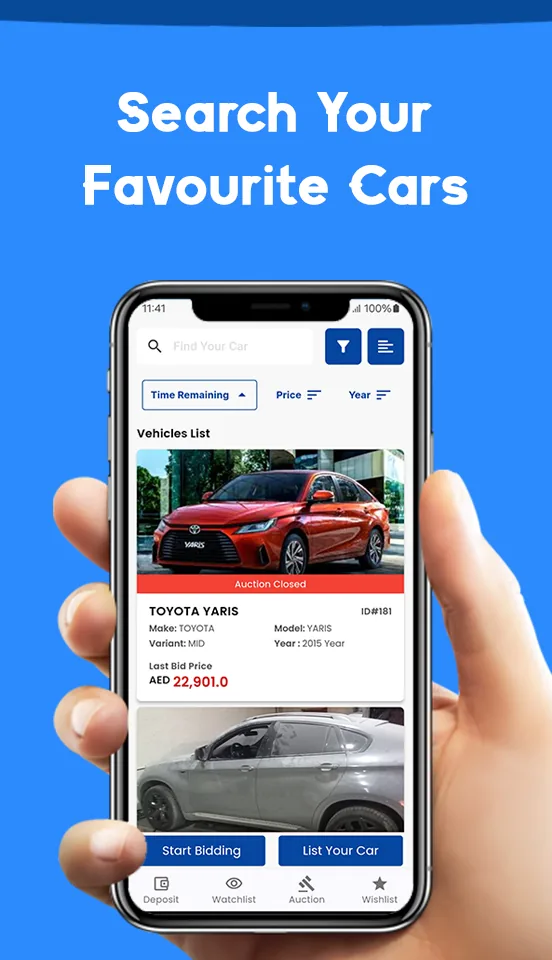
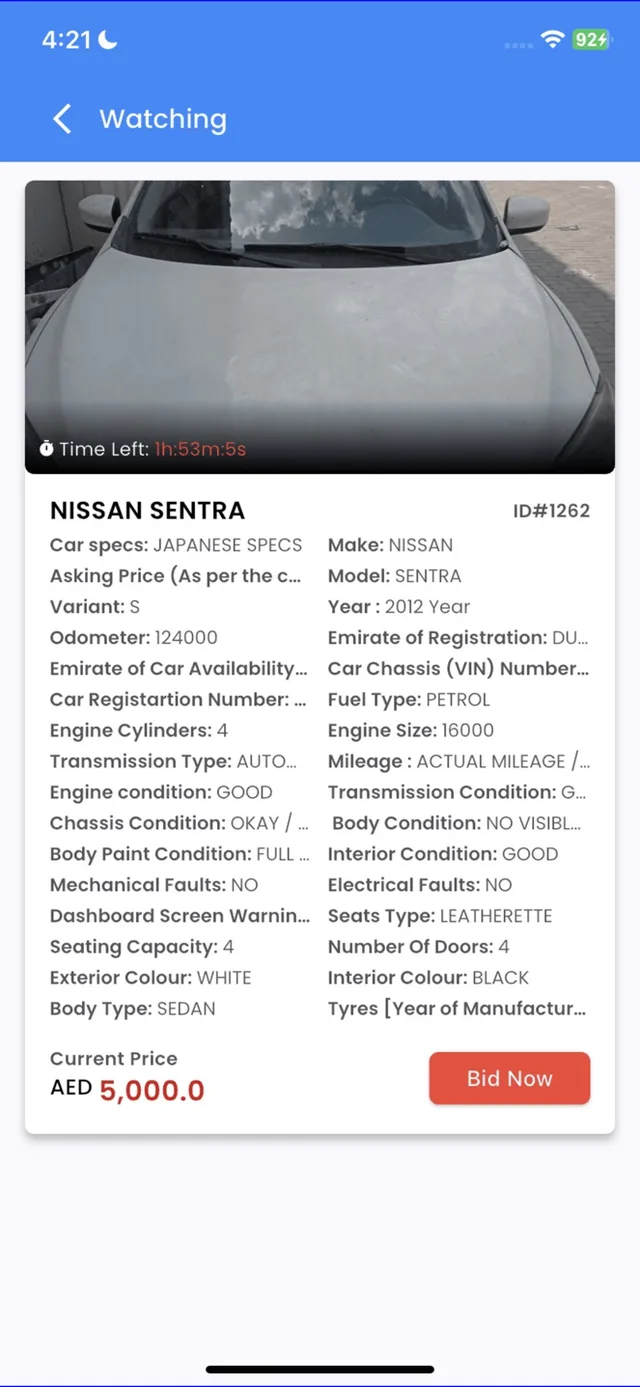
A car-auction app connecting vehicle discovery with live bidding across Android and iOS.
Build a customer app or a tool your team uses at work. Cloudemy develops native Android apps with Kotlin and Jetpack Compose, and Flutter apps for Android and iOS. We plan the design, backend connections and release around your product.
Start with how often people return, the work they do on a phone and the capabilities that matter to that journey. A website or web application may be sufficient for some products.
Ordering, bidding, account access and service updates can give people a reason to return. We define the primary task and the information needed to complete it before choosing features.
Camera, location, files, notifications or specialist hardware may shape the app. We assess the required behaviour, permissions and supported devices, including where a browser-based approach could meet the need.
Employee and partner apps may need assigned tasks, approvals and access to existing records. If the work must continue offline, synchronization and conflict handling belong in the scope.
An app may share accounts, products and orders with a website or an internal tool. We plan the APIs and administration work alongside the mobile screens, including what users see when a request fails.
Native Android, shared Flutter delivery and native iOS suit different requirements. We review integrations, device behaviour and maintenance alongside the target audience.
Kotlin and Jetpack Compose support an Android-specific implementation. This can suit products where Android APIs, background work or device behaviour shape the experience.
Flutter can support related Android and iOS experiences from shared application code. Platform-specific integrations, testing and store releases still need their own work.
Our iOS offer leads with Flutter. Native Swift and SwiftUI development is also available when platform-specific requirements call for it. The choice follows the product needs.
The scope differs by workflow. These are product types we can discuss; the linked examples show specific work rather than an identical implementation for every industry.
Product choices, accounts, orders and checkout need a coherent customer journey. WOW Fashions connects a Flutter shopping experience with its web storefront and backend.
WOW Fashions ↗BillNest is a native Kotlin and Compose Android app for recharge, bill payments, AEPS and BBPS, with a .NET backend. Provider access and transaction requirements need to be defined for each engagement.
BillNest ↗SazCars brings vehicle discovery and auction participation to Android and iOS through Flutter. Live-state handling and the user’s next action need to be planned together.
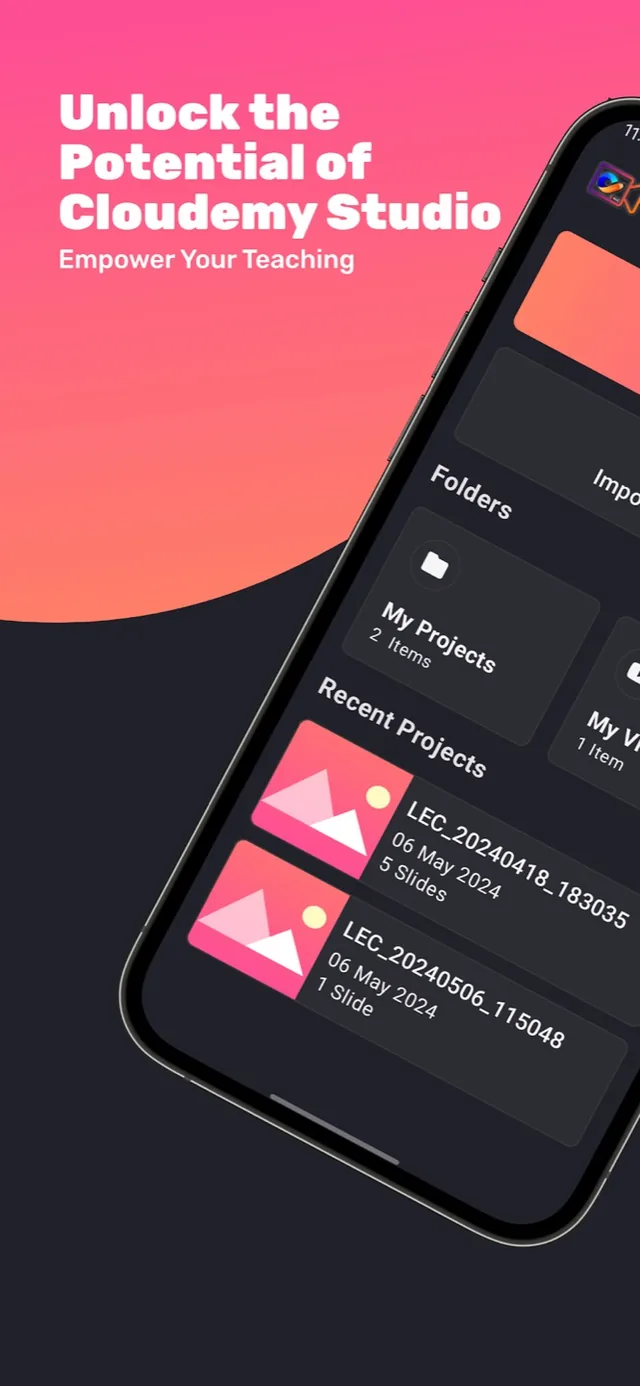
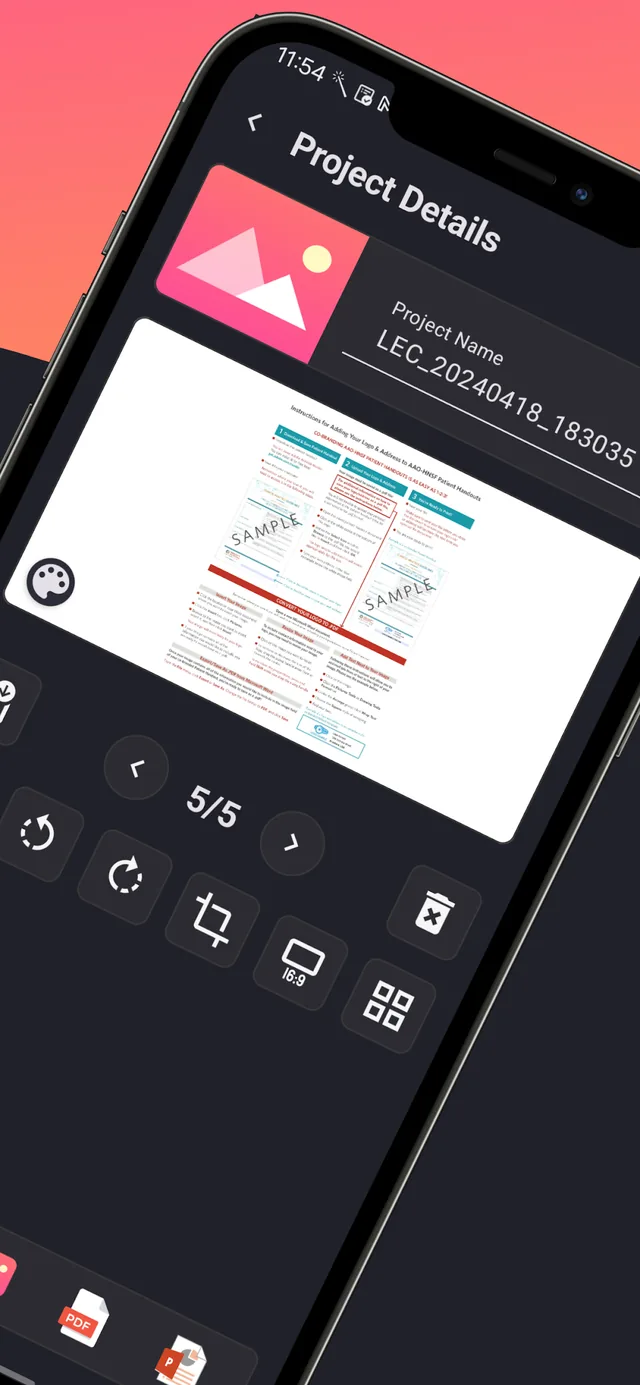
SazCars ↗Cloudemy Studio is an Android screen-recording product built with Kotlin and Compose. Device permissions and recording behaviour shape this kind of application.
Cloudemy Studio ↗Assigned work, records and approvals may involve several staff roles. DKM Online illustrates employee workflows; the scope can also include the APIs and administration tools behind an application.
Custom buildsA business-facing app may need organization accounts, permissions and reporting. We assess those requirements and any subscription or external-system connections before estimating the first release.
On requestAn auction journey and an Android creator tool involve different interface and device decisions. Explore the product scope behind each.
Client work · Vehicle auctions
A car-auction app connecting vehicle discovery with live bidding across Android and iOS.
In-house product · Recording & creation
A recording app for educators and creators, built with native Android tools and an ongoing product lifecycle.
Each stage has a purpose and review point. The proposal identifies the included deliverables, dependencies and responsibilities for your product.
Users, roles, main journey, platforms, integrations and first-release scope.
Flows, screen layouts, interface states and a prototype for review.
Mobile features, APIs and administration work, with agreed review builds.
Critical journeys, permissions, unsuccessful requests and target-device testing.
Developer accounts, listing material, signing and submission responsibilities.
Release access, handover information and the agreed maintenance scope.
Before development starts, agree who owns the repository, store and hosting accounts. A complete scope also identifies backend and administrator tools, content and translations, paid-provider charges, acceptance criteria and how later changes are approved. Use our project questions to prepare for that discussion.
The estimate depends on the user journeys, platforms, backend work, integrations and testing. Ask whether administration tools, migration, release preparation and external charges are included. Our app development cost guide explains illustrative planning ranges; a project quote follows a review of your requirements.
The plan covers design, mobile and backend development, testing and release preparation. We identify review points and external dependencies before agreeing a schedule. A focused first release can be planned separately from later features. Store review and provider onboarding are separate dependencies rather than guaranteed dates.
Review the actual audience, device requirements and returning task. Native Android can suit Android-specific needs; Flutter can support related Android and iOS versions. Native iOS is an option where the requirements justify it. We also consider whether a website or web application would meet the first need.
A native app is implemented for one platform, such as Kotlin for Android or Swift for iOS. Flutter shares application code across platforms while still requiring platform-specific integration and testing where needed. The best fit depends on features, device behaviour and long-term maintenance. SazCars and WOW Fashions use Flutter; BillNest is native Android.
Store preparation can be included in the scope, with account ownership, listing assets, privacy information, signing and submission responsibilities agreed with your business. For an existing app, we review the source, build setup, dependencies and release access before estimating changes. Store approval is subject to the platform’s review.
Tell us about the people who will use it, the work it needs to do and any systems it should connect to. We’ll discuss the scope, dependencies and next steps with you.