Mobile App Development for Dubai Businesses
Plan a customer or employee app for your Dubai users with Cloudemy’s team in Lucknow, India. We develop Flutter and native Android products with connected backend work, with iOS delivery led by Flutter and native iOS available when required.
Mobile products with different business requirements
Commerce, auctions and internal business workflows need different screens and integrations. These project scopes illustrate those distinctions.

An Arabic and English fashion-commerce product with Flutter apps, a Next.js storefront and a .NET backend. Its different purchase choices connect to the work behind customer orders.

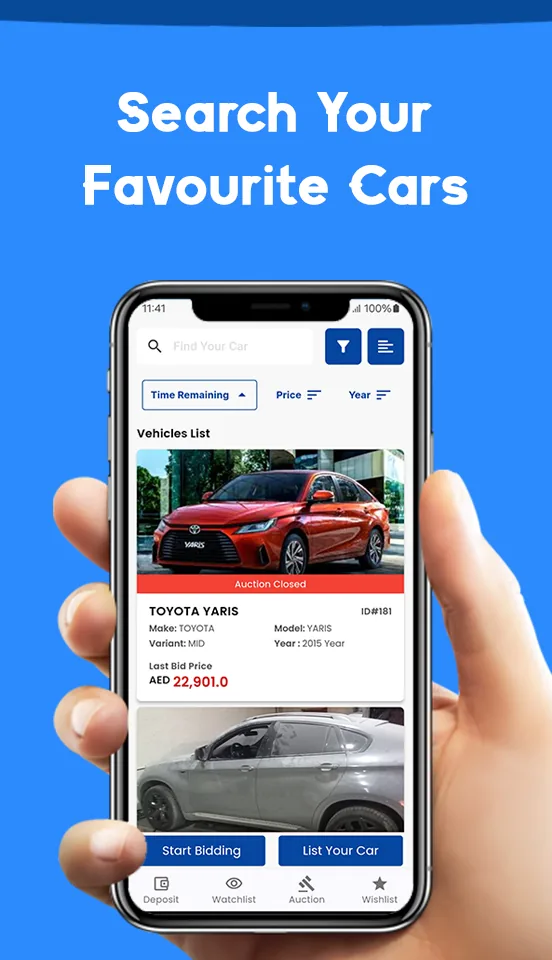
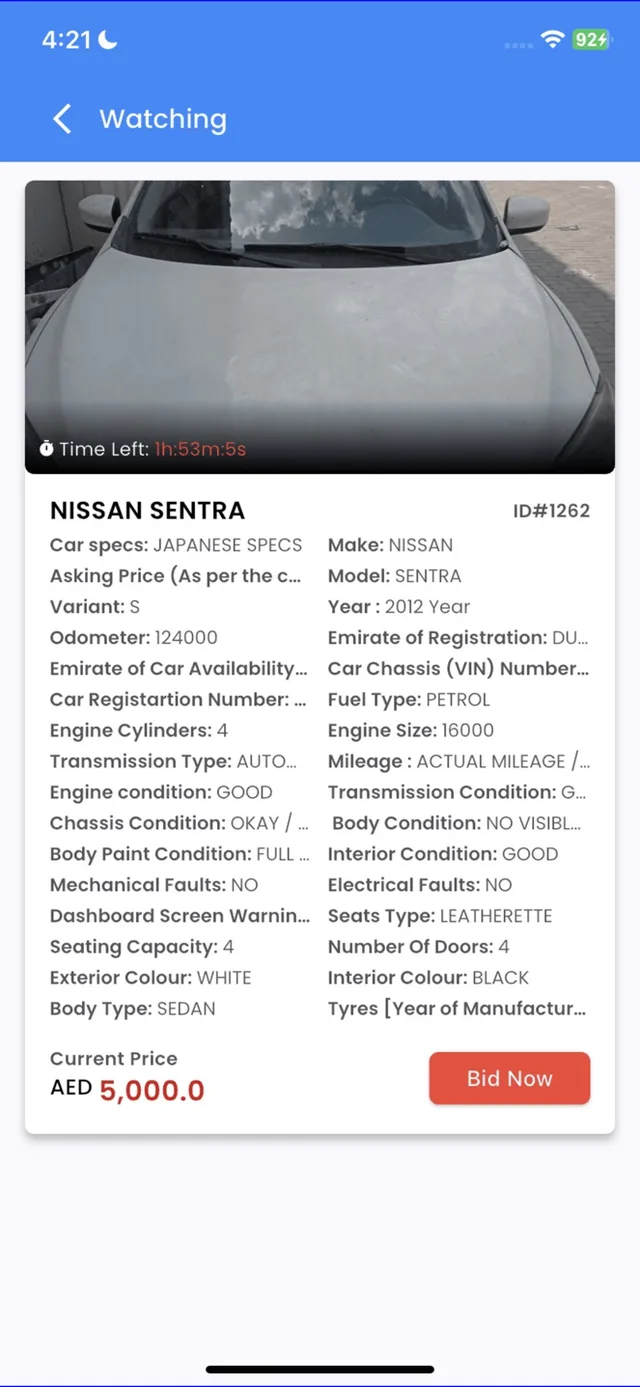
A GCC vehicle-auction app using Flutter for Android and iOS, with a .NET backend and Firebase. Buyers can browse vehicles and participate in auctions through the mobile experience.
An Android business application using Flutter and .NET. Role-based access supports product, order and employee workflows for the business and its partners.
Scope the application around the Dubai user journey
A business service, shopping product and employee workflow have different first-release needs. We work through the roles, integrations and follow-up tasks before estimating the build.
Customer and commerce apps
Product discovery, account access, orders and follow-up need a coherent journey. Catalog and provider information, administrator tools and the website connection may be part of the scope.
Auctions and changing information
Vehicle detail and participation in an auction involve changing state. Define the user’s actions, unsuccessful requests and important backend rules alongside the mobile interface.
Employee and partner tools
Assigned work, approvals and business records can involve different roles. Define visibility and permitted changes, including what must work away from a desk.
Connected backends
A mobile app may depend on existing customer, catalog or transaction systems. Review APIs, data quality, credentials and system ownership before estimating a connection.
Language and content
Arabic/English requirements include reviewed content, layout direction and clear input or product information. The business supplies or approves the content needed by its audience.
Design and release preparation
Flows, prototypes, target-device checks and store materials need a review plan. Account ownership and provider access are delivery dependencies, not just administrative details.
Arrange delivery from India with your Dubai team
A remote engagement needs clear scope, review access and responsibility on both sides. Plan how the business will provide information and how changes will be assessed.
Product decisions
Identify the first users, their main tasks and the workflows needed at launch. Deferred features should be visible so the first release can be reviewed against a clear scope.
Review builds
Agree how the business will see designs and working software, who provides feedback and what information is needed for acceptance.
Language review
Plan who supplies translations and checks Arabic/English content in the application. Layout testing and content approval are related but different responsibilities.
Provider access
Payments, messaging or other services may require business accounts and eligibility checks. Review available documentation and access before committing to an integration.
Working overlap
Agree communication hours and a person responsible for decisions. Cloudemy’s team is based in Lucknow; the delivery plan should reflect the actual collaboration arrangement.
Ownership and continuity
Discuss repositories, hosting, store accounts and handover information. Maintenance and further development need their own scope after the first release.
Choose Android, iOS or a shared application
The target users and integrations should guide platform coverage. Flutter can support related Android and iOS features, while native Android or iOS may suit platform-specific requirements. A regional market label alone does not determine that choice.
SazCars and WOW Fashions use Flutter for Android and iOS. PocketBook is presented as Android-only. The proposal should identify your required platforms, device behaviour and release responsibilities rather than assuming every project needs identical coverage.
- Audience and returning task
- Device and provider requirements
- Shared versus platform-specific work
- Account ownership and release plan
Android and iOS coverage · required device features · existing APIs · testing and store responsibilities.
Compare application approaches ↗From brief to a reviewed release
The stages identify work and review points for the engagement. Business information, provider access and feedback are planned with the implementation.
Define the first release
Discuss users, workflows, platforms and existing systems. Record open questions and the access needed to estimate the work.
Review the design
Work through flows and interface states, with language and content review where required. Confirm the decisions that implementation depends on.
Build and verify
Develop the application and agreed connections. Review working builds and important journeys, including permissions and unsuccessful requests.
Prepare release and handover
Agree store-account, listing and deployment responsibilities. Document access and the ongoing support or development arrangement.
What goes into the Dubai app estimate?
Estimate the actual product and external dependencies. The proposal should identify included platforms, backend work, testing and release responsibilities.
- Users and permitted actions
- Design and content requirements
- Target platforms and devices
- Acceptance and review points
- Existing records and migration
- Provider documentation/access
- Backend and administrator tasks
- Operational responsibilities
- Repositories and store accounts
- Verification and release access
- Maintenance scope
- Later-feature and change approval
Questions from Dubai & UAE businesses
Cloudemy is based in Lucknow, India, and works remotely with Dubai and GCC businesses. The project discussion covers communication, delivery and contracting arrangements. Contact the team to discuss the proposed engagement.
The workflows, platforms, backend work, integrations and verification needs determine the scope. Language, content and provider requirements may add work. We identify external charges and responsibilities separately before a project quote.
Yes, where included in the scope. The app needs reviewed content, suitable layout direction, input and interface testing in the supported languages. The business provides or approves translations; language support should be considered through the important user journeys.
Store preparation can be included, with the developer accounts, signing, listing material and disclosures agreed with the business. Each platform has its own review requirements. Flutter can share application code, but testing and store administration remain platform-specific work.
Yes. We review the current source, interfaces and available access before estimating the change. A focused feature or integration may be more appropriate than a replacement. The review identifies dependencies, compatibility and handover needs.
What are you planning to build?
Tell us about the people who will use it, the work it needs to do and any systems it should connect to. We’ll discuss the scope, dependencies and next steps with you.