
WOW Fashions — Connected E-commerce for the GCC
Arabic and English fashion shopping through Flutter apps and a Next.js storefront, connected to a .NET backend and PocketBook business workflows.
The Challenge
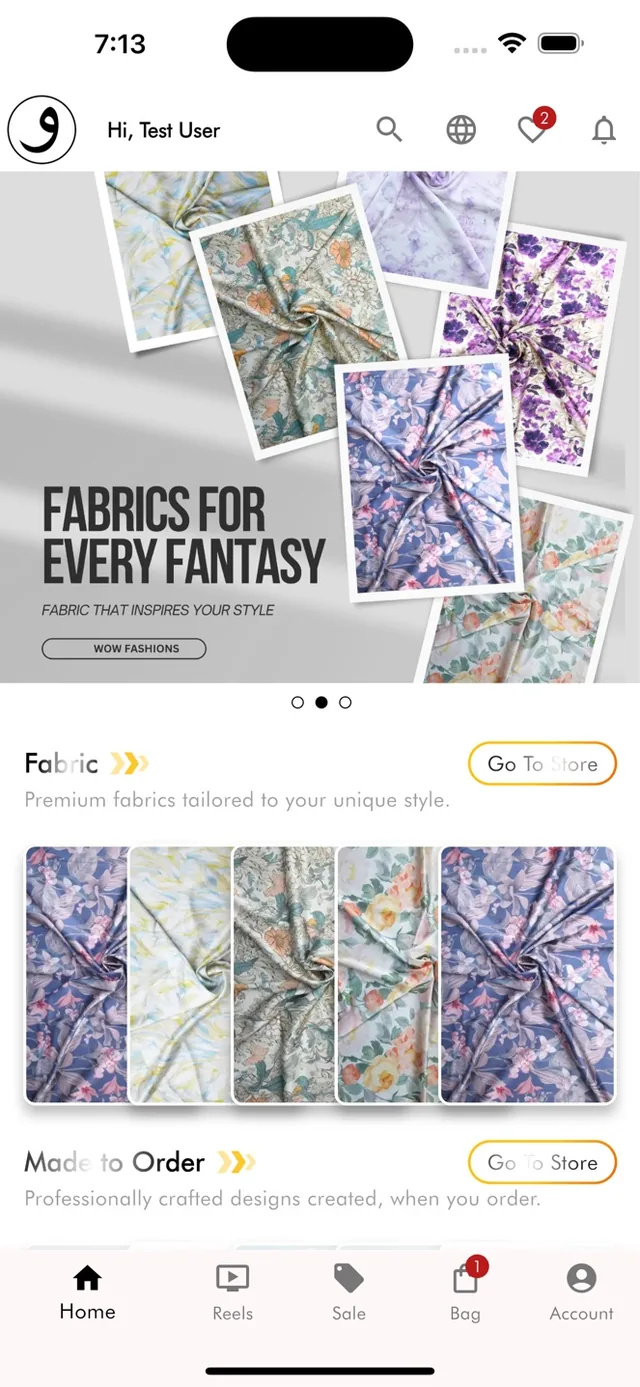
WOW Fashions serves GCC fashion customers buying ready-to-wear pieces, fabric by the metre and customised garments. Those purchase types need different information and choices: selecting a finished piece is a different journey from specifying fabric or a made-to-order item.
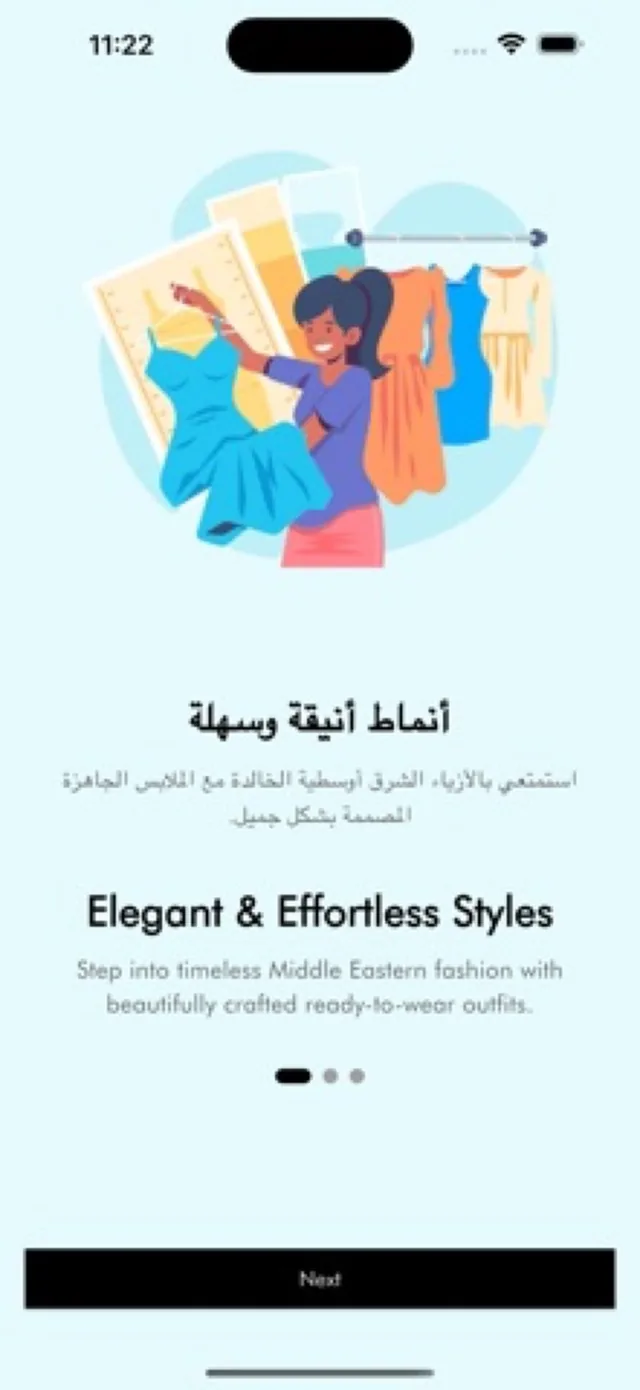
The product also serves Arabic and English users. Content, layout direction and product details need to remain understandable through the shopping experience. The language requirement belongs throughout the journey, including the choices made before placing an order.
Custom orders involve work after the customer has finished shopping. Staff need to manage records, responsibilities and progress. The connected PocketBook business application supports that work behind the customer-facing commerce experience.
The Solution
The product connects a Flutter application, a Next.js storefront and a .NET backend. The customer can use different interfaces while the product and order information remains part of a connected business system.
Flutter app · Android & iOS
The mobile application serves customers on Android and iOS. Its shopping journey includes product browsing and the choices relevant to the purchase, within the bilingual product context.
Next.js storefront
A browser storefront provides another route to the product and shopping journey. Its content, layout and interactions need to work on phones and larger screens as well as alongside the mobile application.

.NET backend
The backend connects the clients to product and order information. The business rules and record responsibilities need to support the customer’s choices and the staff work that follows.
The Connected Back-Office: PocketBook
PocketBook is the connected business application for role-based product, order and employee workflows. Built for Android with Flutter and a .NET backend, it gives staff an interface for managing the work behind customer orders.
The connection is important because an order can start in a customer interface and then need action inside the business. The workflow brings together:
- Product and order information used by the business.
- Role-based visibility for the people using the system.
- Employee and partner workflows around the records.
- The relationship between customer choices and internal tasks.
- Business responsibilities that continue after an order is placed.
The customer-facing and internal applications therefore need clear responsibility for shared information. An order’s options, the people allowed to change its records and the next work to be completed are part of the product design as well as the interface. This is the connected business-software scope alongside the storefront.
Application and data responsibilities
Flutter supports the Android and iOS application, while Next.js provides the web storefront. The .NET backend and connected PocketBook application complete the wider product context. The interface delivered to a shopper is different from the interface an employee needs to manage business records.
The useful architectural question is where each operation and record belongs. Customer choices, permitted staff changes and information shared across clients need to agree. That relationship should be defined before treating the app, website and internal tool as separate screen lists.
Designing connected commerce
The project illustrates how bilingual shopping and internal business work can belong to one product scope. A similar engagement should define the purchase types, language/content ownership, shared records and staff roles alongside the customer interface. Those requirements determine whether a hosted platform, a focused integration or a custom connected build is appropriate.
Other projects from the GCC portfolio

A car-auction app connecting vehicle discovery with live bidding across Android and iOS.

Role-based product, order and employee workflows, redesigned for partners, counters and teams.